Fuel Prices Rise Again: How the Iran War Is Affecting Petrol, Diesel and CNG Rates in India
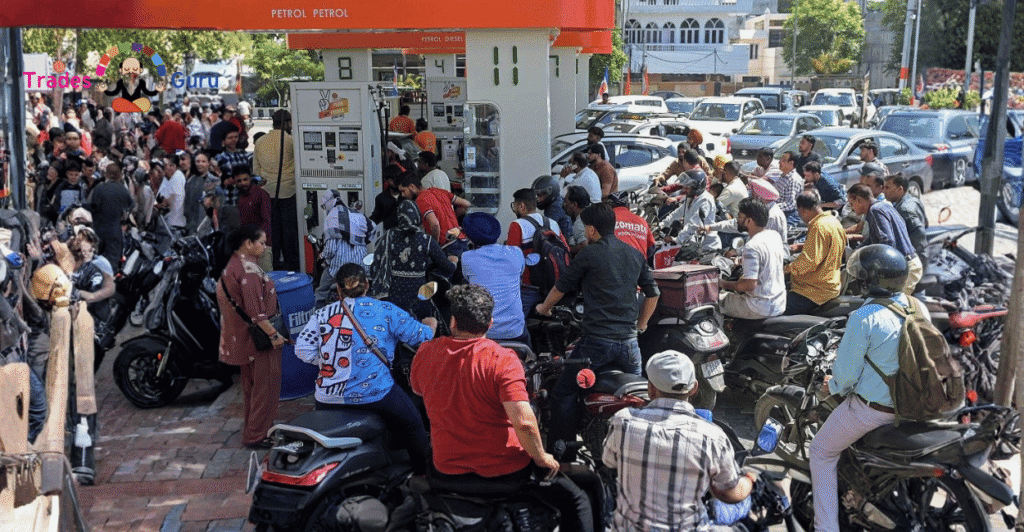
Indian consumers are once again feeling the pressure of rising fuel costs as petrol and diesel prices have been increased across the country. The latest hike comes at a time when global crude oil markets are witnessing massive volatility due to the ongoing Iran conflict and tensions in the Middle East. Along with petrol and diesel, CNG prices have also moved higher, adding more pressure on household and transportation expenses.
Why Have Fuel Prices Increased?
The primary reason behind the latest fuel price hike is the sharp rise in global crude oil prices. The ongoing Iran war has disrupted oil supply routes, especially around the strategically important Strait of Hormuz, one of the world’s busiest oil transportation channels. As tensions escalated, crude oil prices surged in the international market, forcing Indian oil companies to revise retail fuel prices.
India imports a large portion of its crude oil requirement, which means any disruption in global supply directly affects domestic fuel pricing. With oil companies reportedly facing mounting losses due to higher import costs, the government and fuel retailers finally decided to pass some of the burden onto consumers.
Petrol and Diesel Prices See Major Jump
Following the latest revision, petrol and diesel prices have increased by around ₹3 per litre in several cities. In Delhi, petrol prices climbed close to ₹98 per litre, while diesel rates also saw a noticeable jump. Cities like Mumbai, Kolkata, and Chennai are witnessing even higher fuel rates because of additional state taxes and local levies.
The increase marks one of the biggest fuel price hikes seen in recent years and comes after a long period of relatively stable rates. Market experts believe that if crude oil prices continue to remain elevated globally, more fuel price hikes cannot be ruled out in the coming weeks.
CNG Prices Also Go Up
Apart from petrol and diesel, CNG prices have also been raised in major regions including Delhi-NCR. The increase in CNG rates may impact public transport systems, cab services, and commercial vehicle operators who rely heavily on compressed natural gas for daily operations.
For many consumers who shifted to CNG vehicles to save on fuel expenses, the latest price increase could reduce the cost advantage that CNG previously offered over petrol and diesel.
How Will This Affect Common People?
Rising fuel prices often have a chain reaction across the economy. Higher petrol and diesel costs usually increase transportation expenses, which can eventually make everyday goods and services more expensive. From grocery deliveries and cab fares to bus tickets and logistics costs, consumers may soon notice a rise in overall living expenses.
Middle-class households and small businesses are likely to feel the pressure the most, especially at a time when inflation is already affecting household budgets. Experts warn that continued volatility in oil prices could further strain consumer spending in the coming months.
Impact on Indian Economy and Markets
The fuel price hike is not only affecting consumers but also creating concerns in financial markets. Rising energy costs can increase inflation, weaken consumer demand, and put pressure on several industries including aviation, transportation, manufacturing, and logistics.
At the same time, shares of major oil marketing companies like Indian Oil, BPCL, and HPCL have also remained under focus as investors assess the financial impact of rising crude prices and government pricing decisions.
Economists believe the government may continue monitoring global developments closely before taking any further steps regarding fuel pricing or tax adjustments.
Can Fuel Prices Increase Further?
Much will depend on how the Iran conflict develops in the coming weeks. If tensions in the Middle East continue to disrupt oil supply chains, crude prices could remain elevated globally. Analysts say that India may face additional pressure because the country depends heavily on imported crude oil for its energy needs.
While the government has previously tried to shield consumers from global oil shocks, experts believe maintaining stable prices for a long period may become difficult if international crude prices stay high.
Final Thoughts
The latest rise in petrol, diesel, and CNG prices highlights how global geopolitical tensions can directly affect everyday life in India. What started as an international conflict is now impacting transportation costs, household budgets, and market sentiment across the country.
As crude oil prices continue to fluctuate, consumers and businesses alike may need to prepare for a period of uncertainty in fuel pricing. For now, all eyes remain on the Middle East situation and how global energy markets respond in the days ahead.
About The Author