Yes Bank Hit With ₹3.3 Crore GST Penalty by Uttar Pradesh Tax Department What It Means
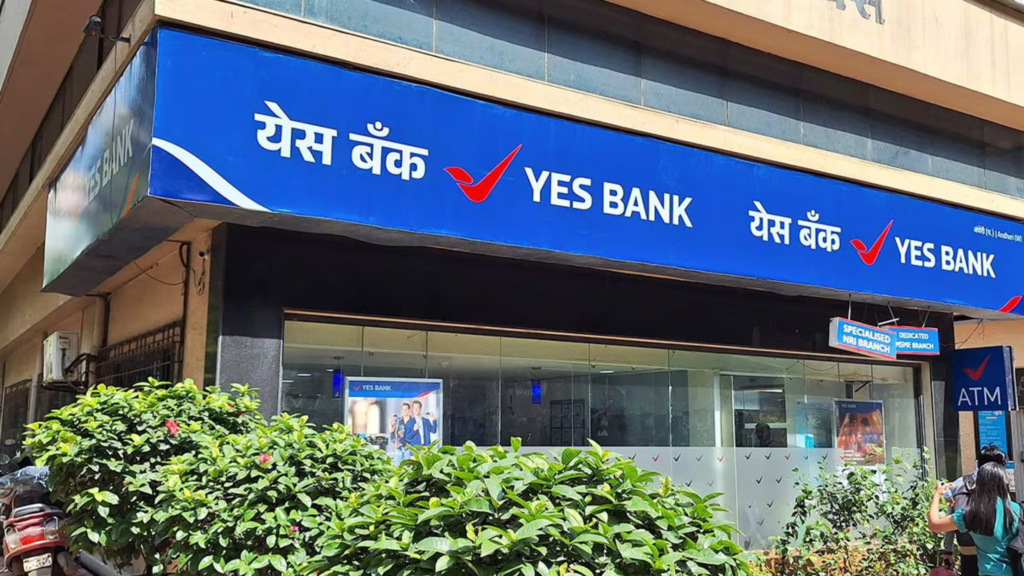
In a recent development that has caught the attention of the banking and finance community, Yes Bank has informed stakeholders that it has been issued a penalty order amounting to approximately ₹3.30 crore by the Goods and Services Tax (GST) department of Uttar Pradesh. The order, dated 24 December 2025, relates to certain compliance and tax issues identified by the authorities for the financial year 2021–22. This enforcement action by the UP tax authorities highlights the growing scrutiny on even well-established lenders when it comes to indirect tax compliance.
The penalty figure precisely around ₹3,30,55,942 includes not just the base tax demand but also applies interest and associated charges, bringing the total to the figure disclosed by the bank in an official filing. The levy has been issued under provisions of the Central GST Act and corresponding Uttar Pradesh GST legislation, indicating that the department believes certain statutory requirements were not fully met.
Despite the sizable number, Yes Bank has stated that it does not expect any material adverse impact on its financial performance or day-to-day operations as a result of this order. The bank has also made it clear that it intends to contest the penalty through available legal channels, including lodging an appeal within the time allowed under tax laws. Yes Bank’s leadership maintains confidence that it has sufficient legal and factual grounds to defend its position, a stance that reflects a broader strategy of addressing disputes through due legal process rather than immediate settlement.
For customers, investors, and market watchers, this episode serves as a reminder of the complexities financial institutions face in complying with evolving tax regulations across different states. It also underscores the fact that tax authorities whether at the central or state level are actively monitoring compliance, even for high-profile private lenders. While penalties like these can influence investor sentiment briefly, the bank’s assurance about limited operational impact suggests it expects to move past this issue without significant disruption.
In conclusion, Yes Bank’s ₹3.3 crore GST penalty from the Uttar Pradesh Tax Department is important news for the financial sector not because it will shake the bank’s foundation, but because it highlights how regulatory frameworks and enforcement actions continue to shape the landscape for lenders in India. As the bank pursues its appeal, all eyes will be on how effectively it can navigate the legal complexities to uphold its position.
About The Author